
A delegation of Shia Muslim scholars met with Archbishop McElroy in Washington to strengthen interfaith…
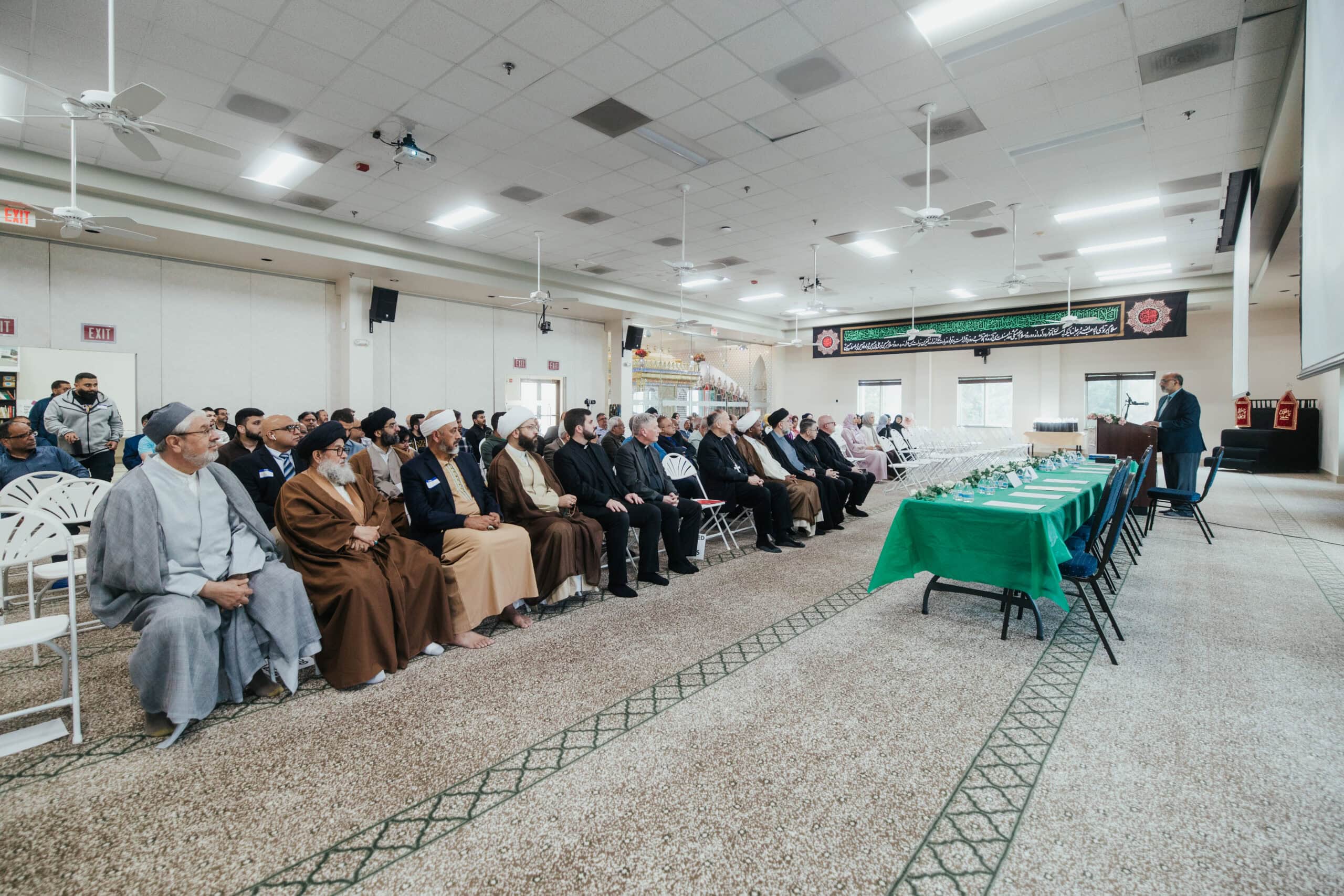
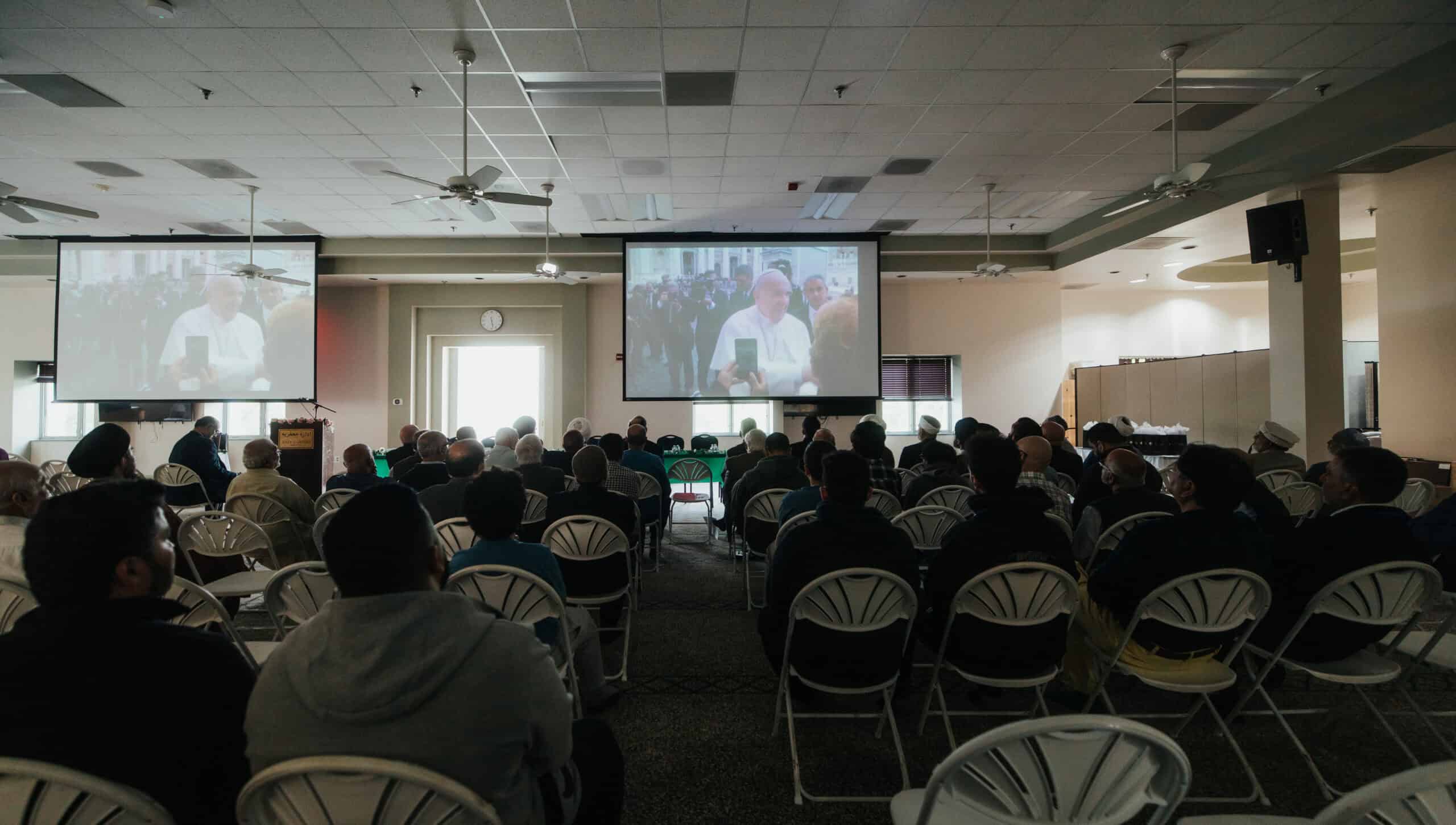
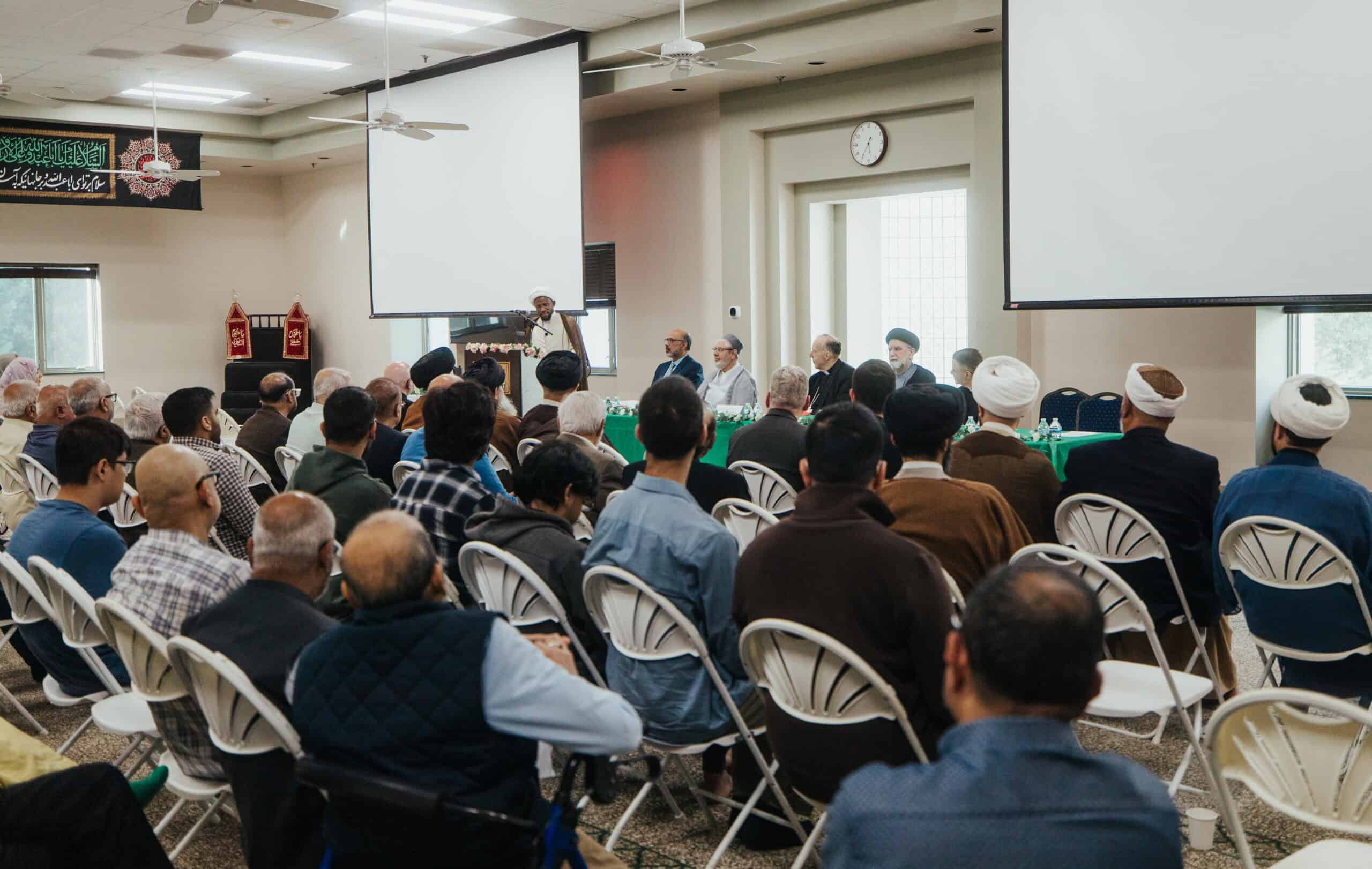
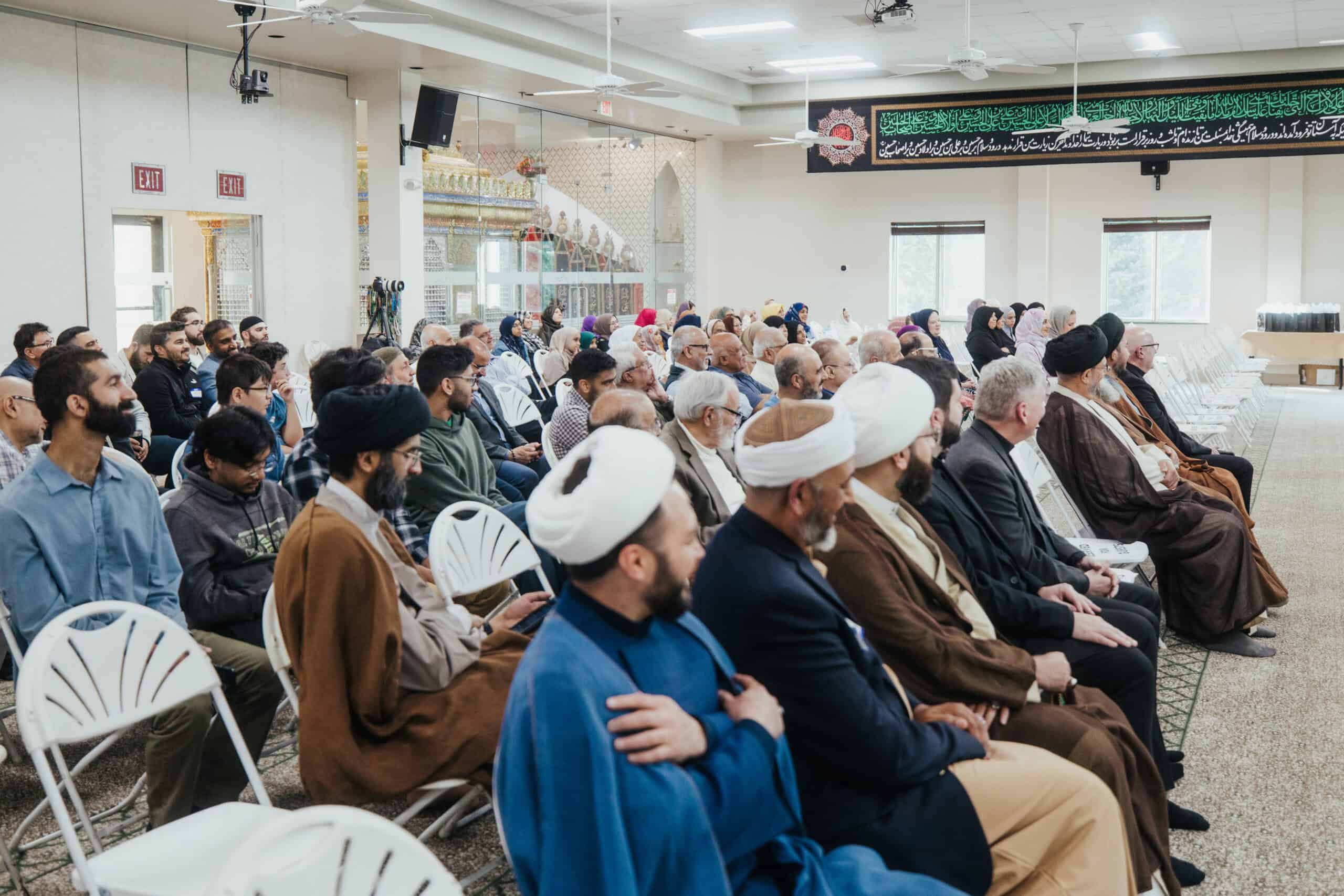
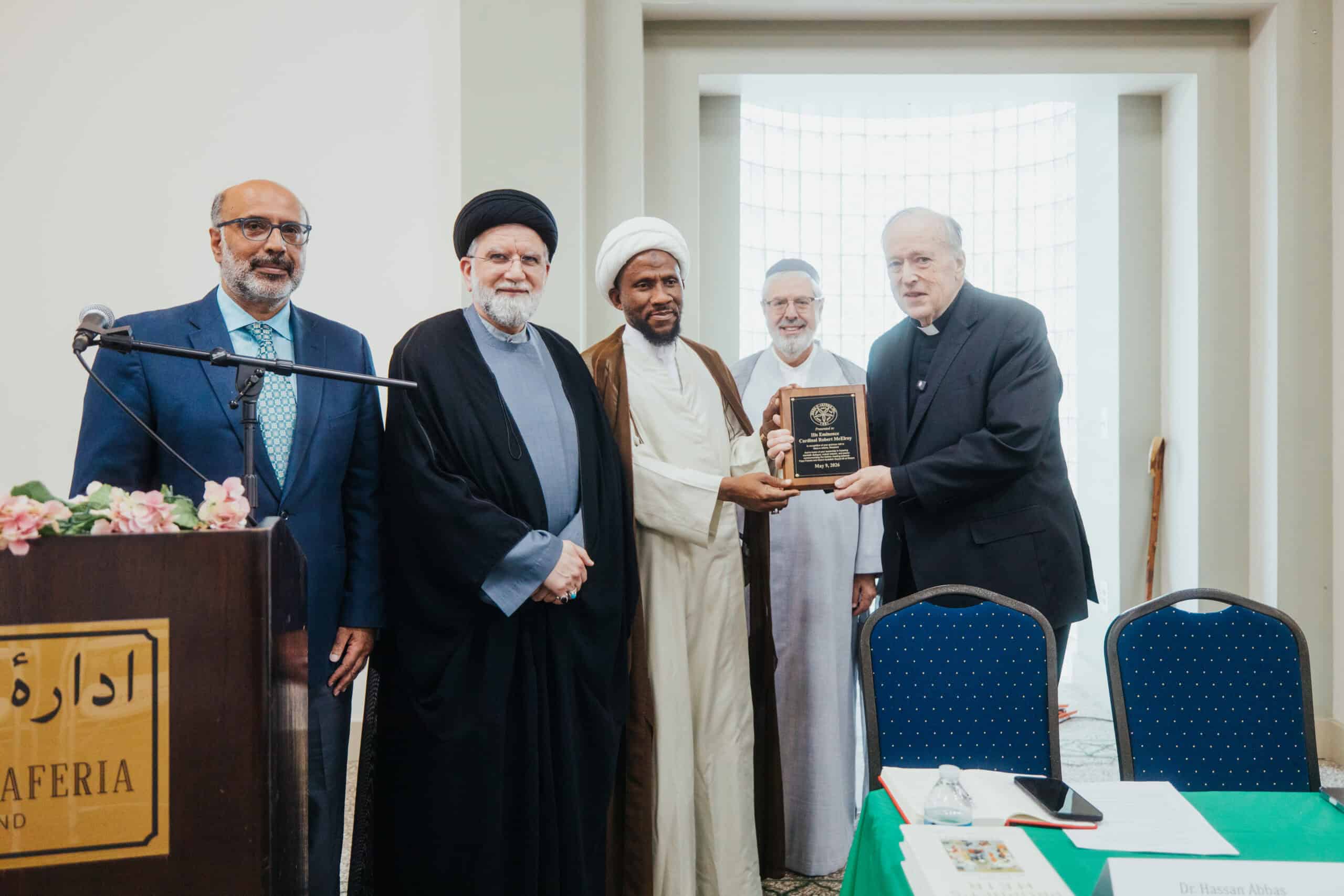
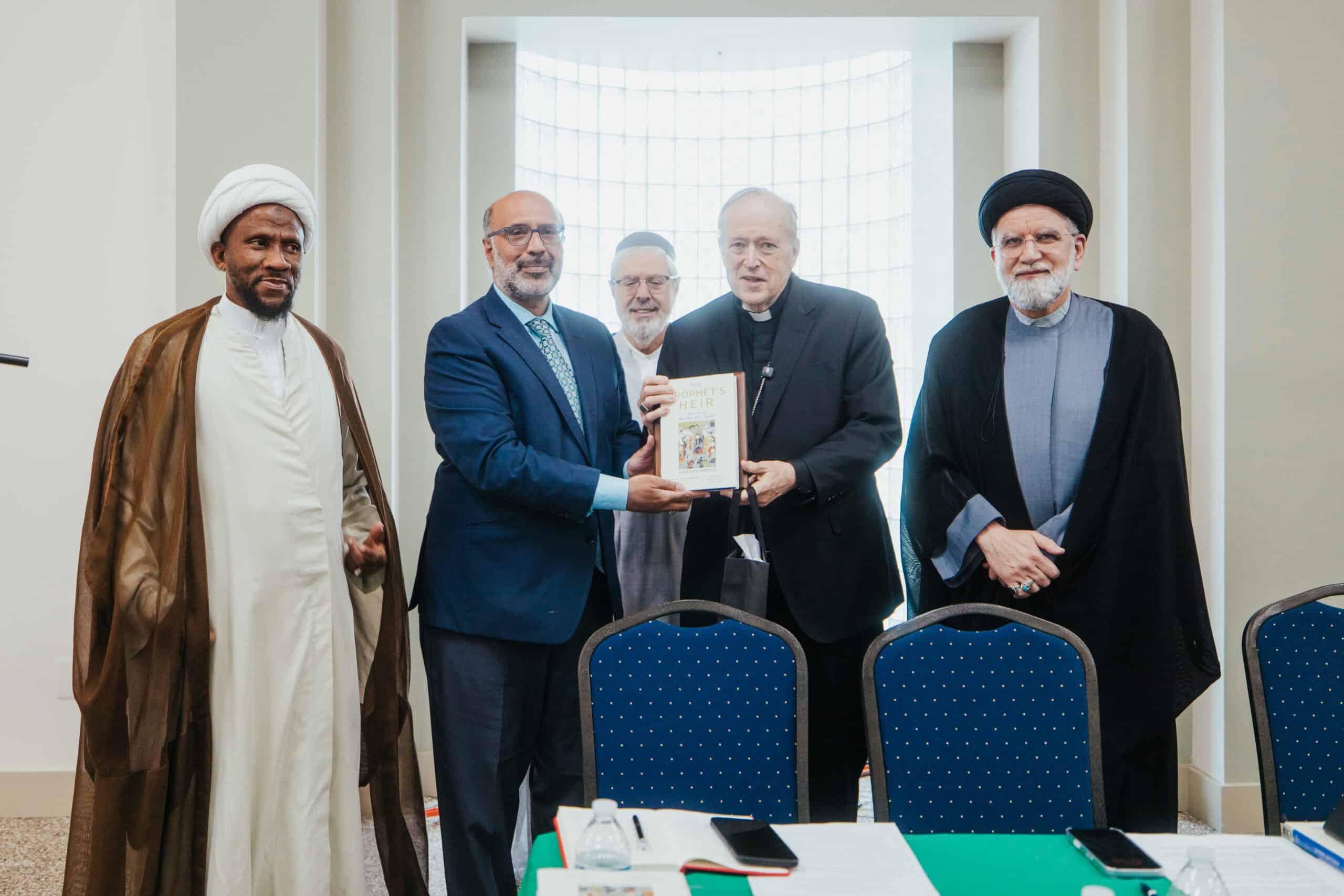
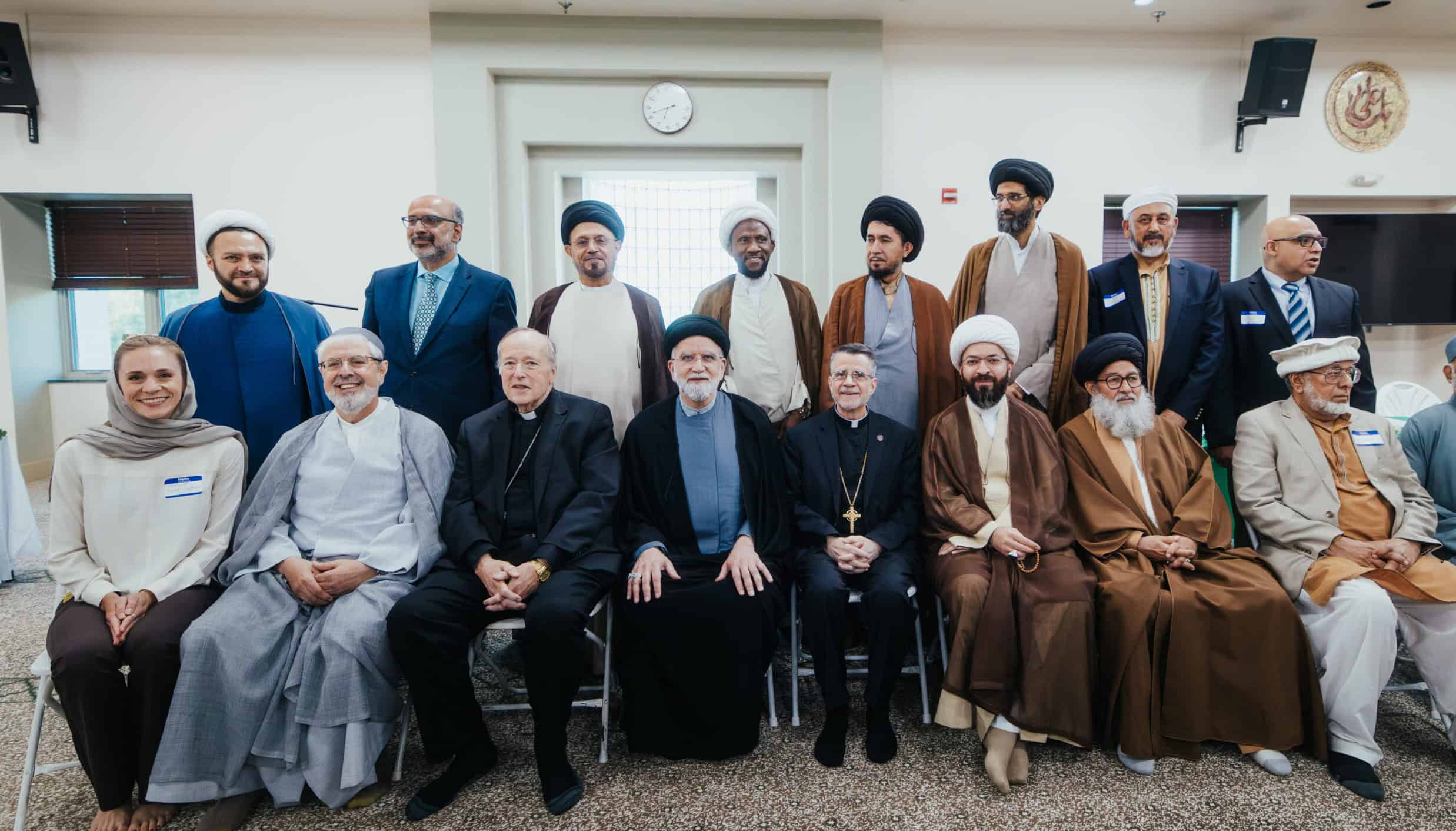
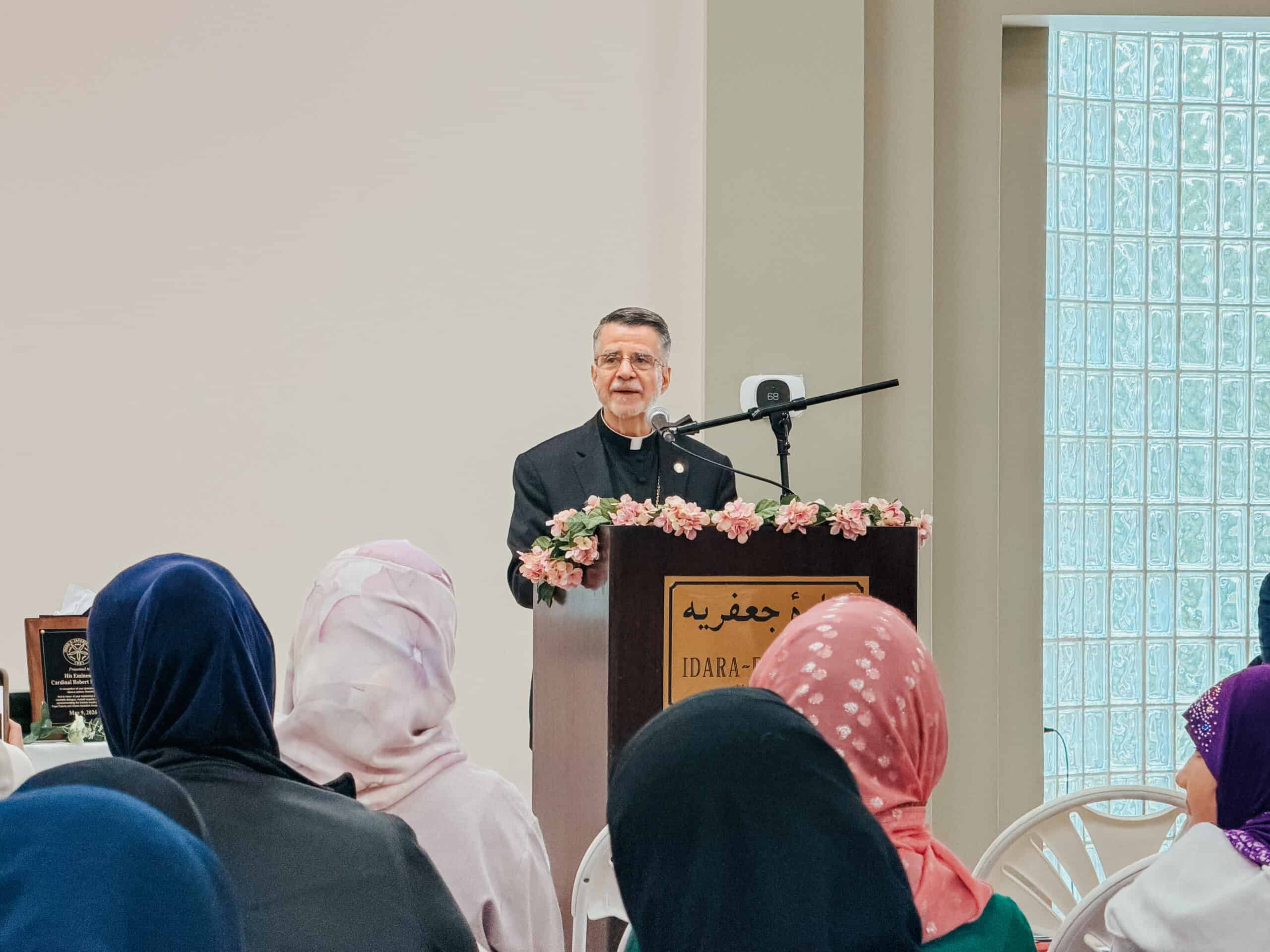
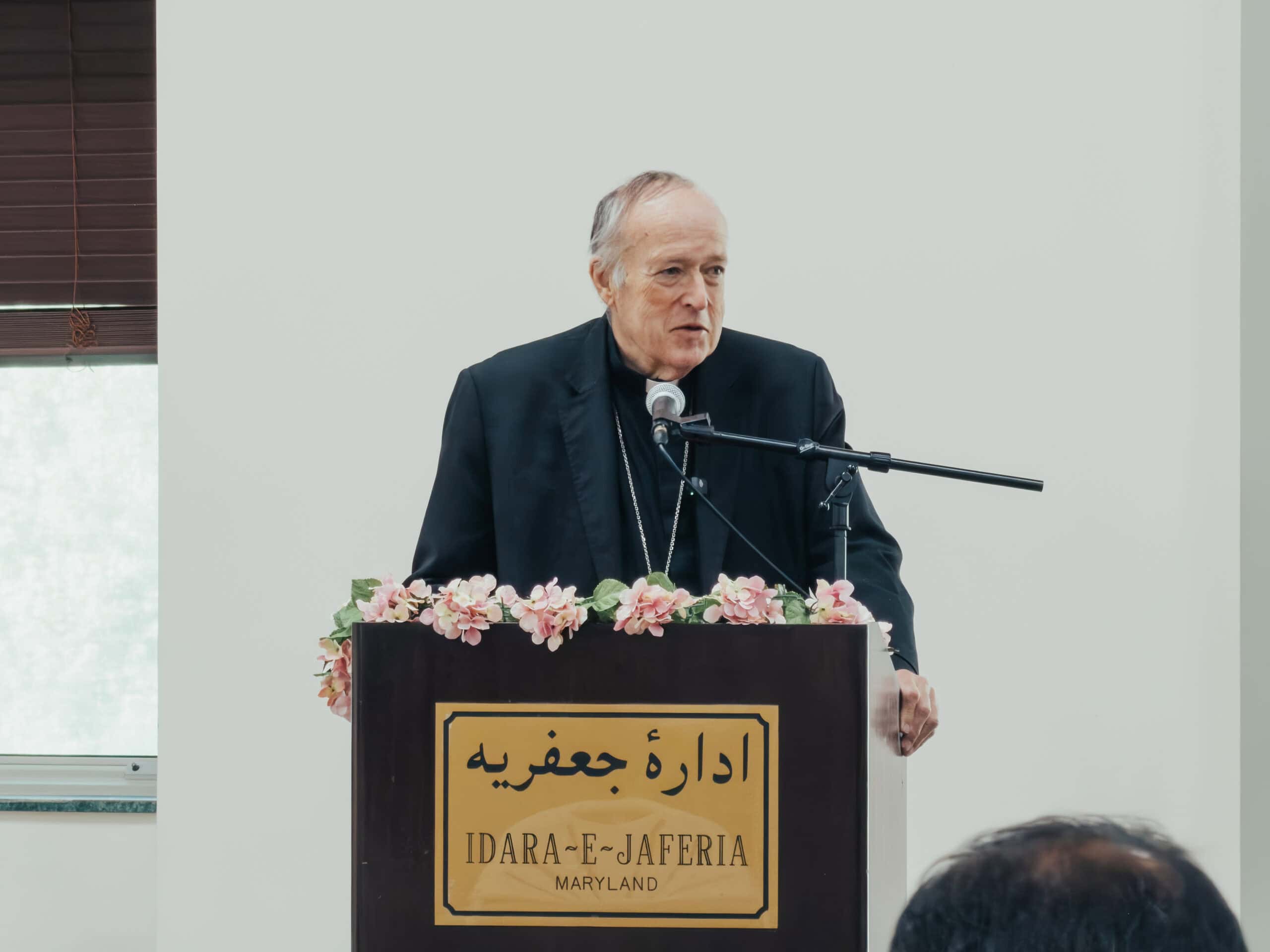
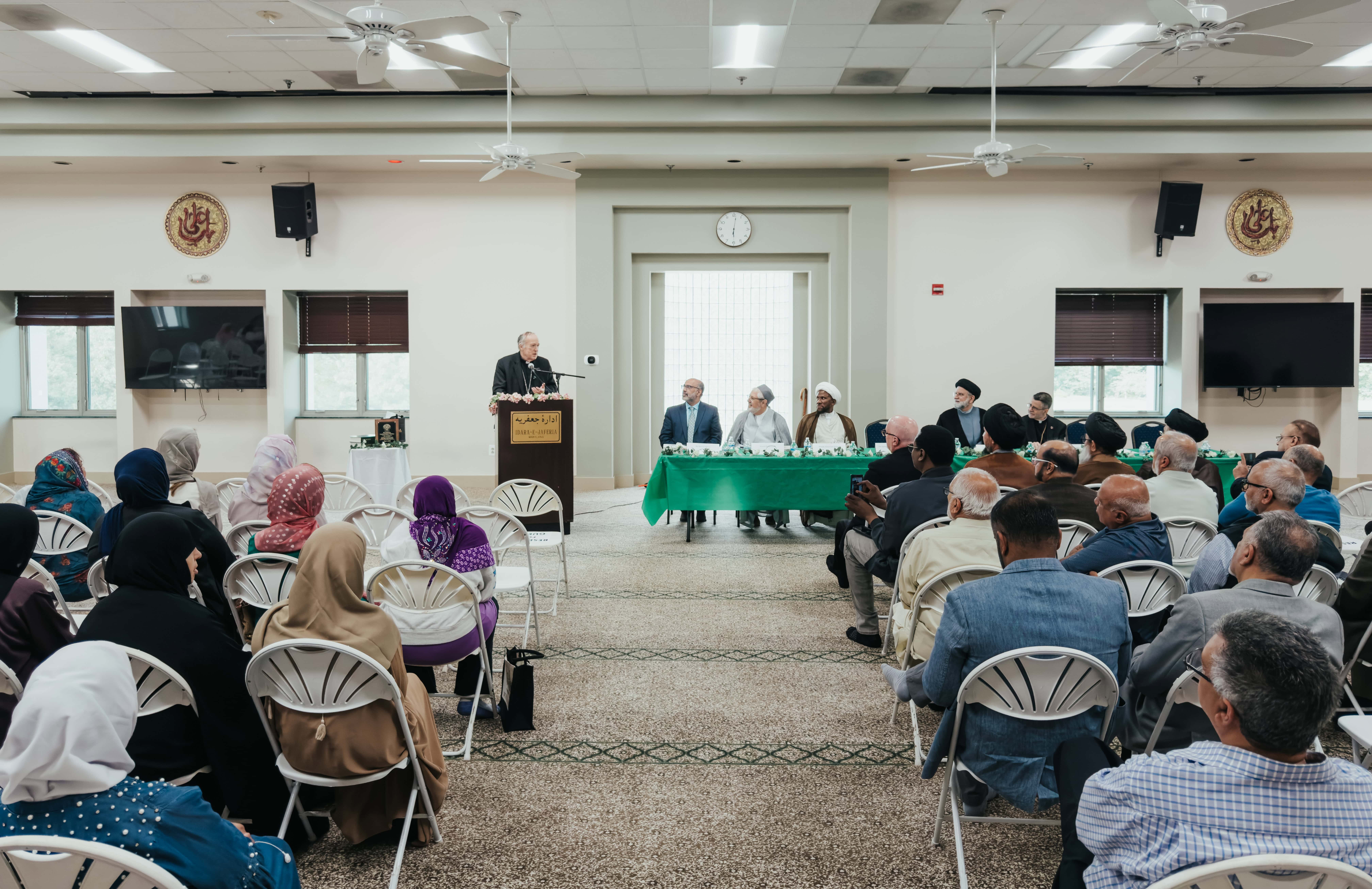
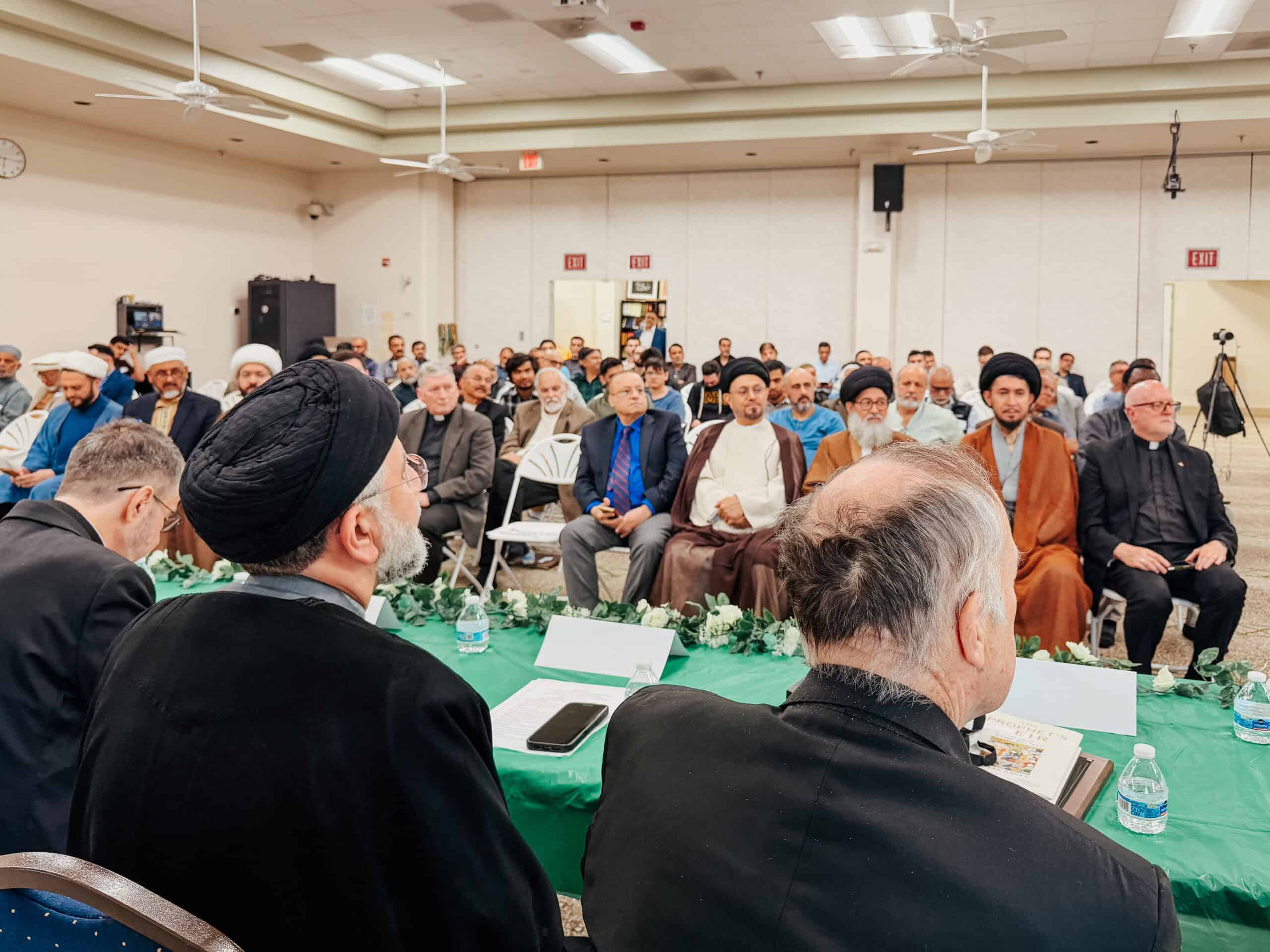
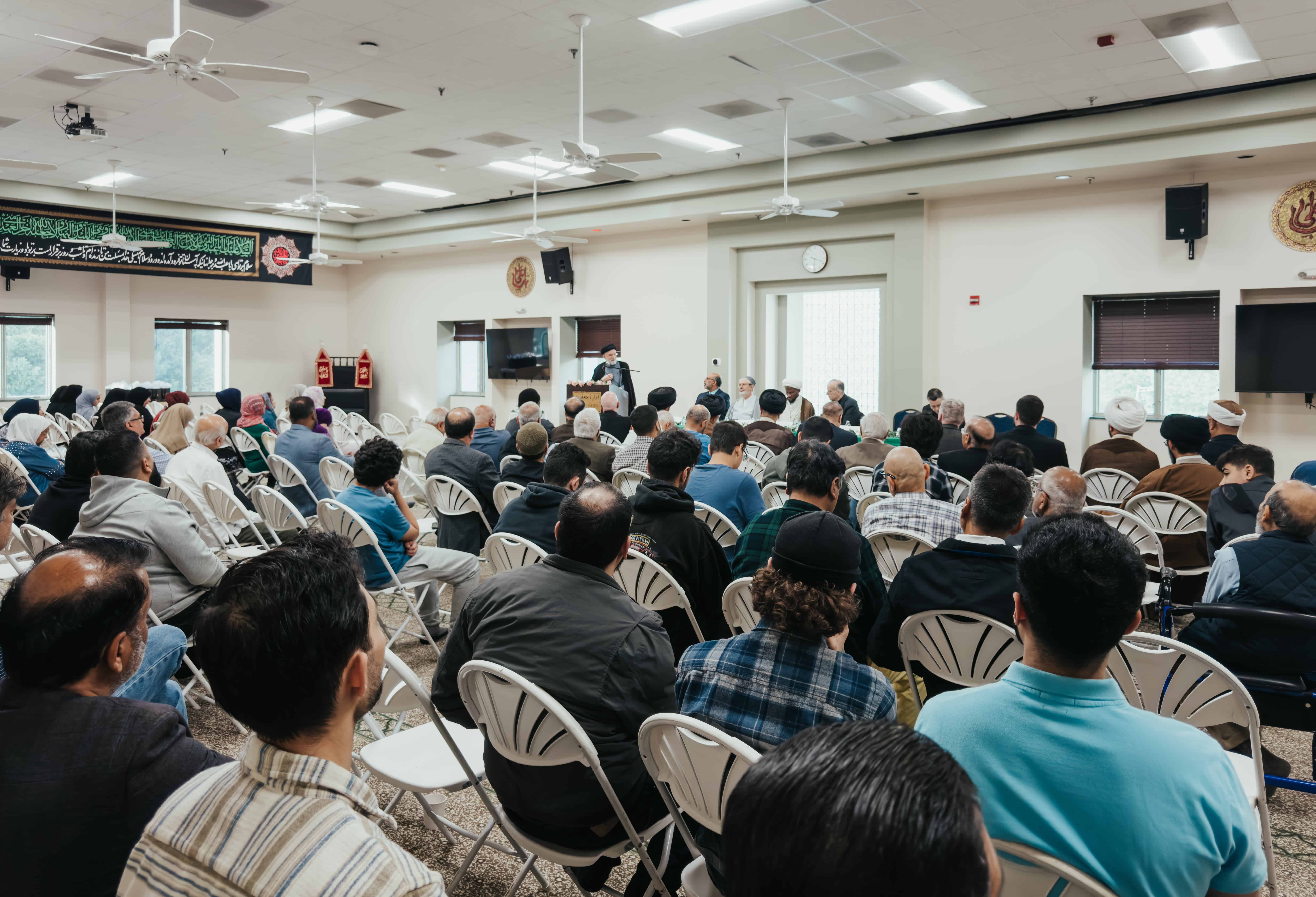
Washington, D.C. | May 9, 2026- Members of the Council of Shia Muslim Scholars of North America (Greater Washington D.C. Chapter) gathered to commemorate the fifth anniversary of the historic 2021 meeting in Najaf between Grand Ayatollah Sayyid Ali al-Sistani and Pope Francis. The event featured the participation of Cardinal Robert McElroy and his accompanying delegation, including Bishop Elias Lorenzo, who traveled from New Jersey specifically for the occasion, and Rev. Russell McDougall, Executive Director of the U.S. Conference of Catholic Bishops (USCCB) in Washington, D.C.
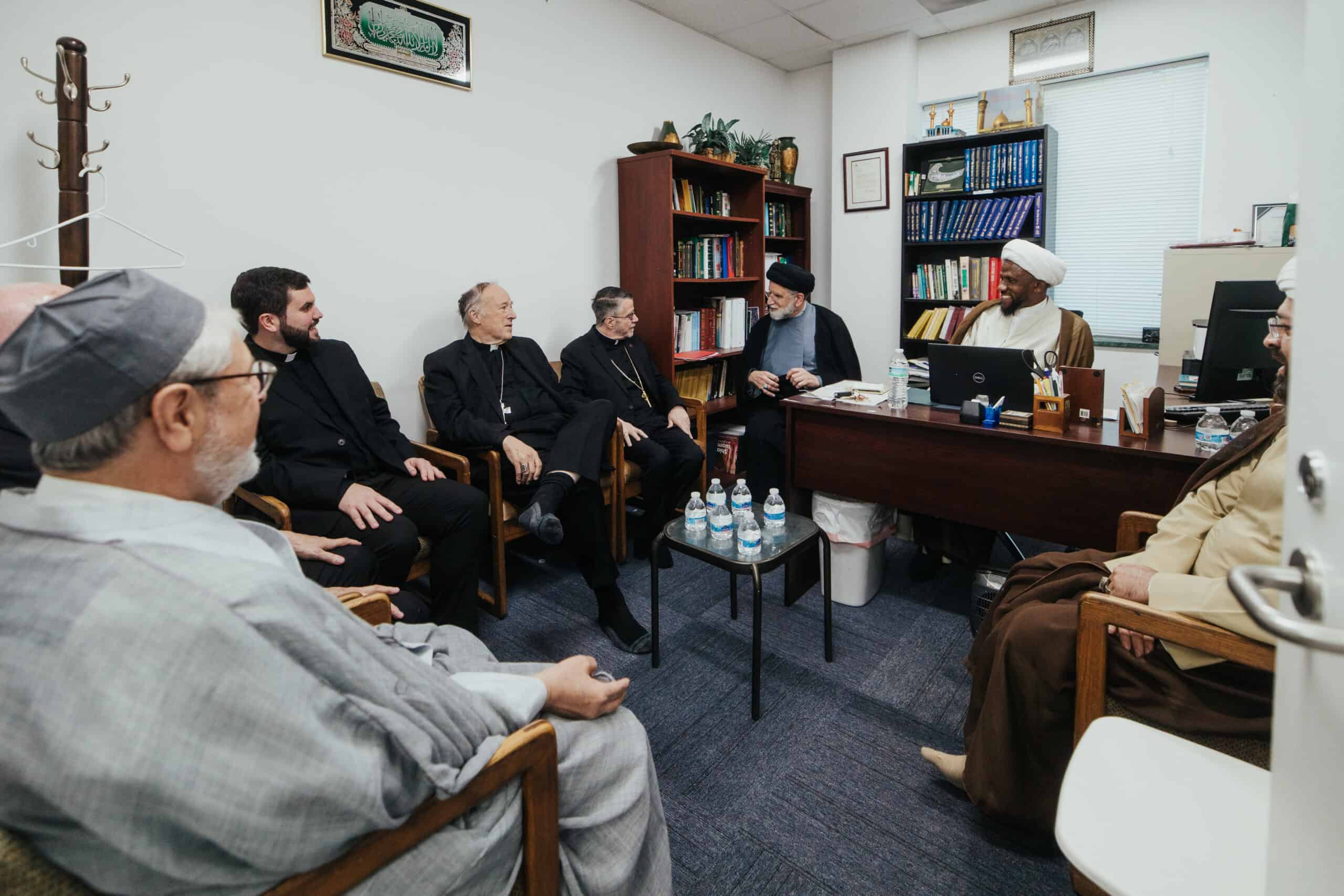
In an atmosphere of brotherhood and affection, a private meeting was held between the delegation and members of the Council of Scholars. Participants discussed shared concerns and the global challenges currently impacting nations, specifically addressing international instability and domestic issues. The dialogue focused on the anxieties of the general public regarding security, the preservation of religious identity, and the upholding of noble traditions.
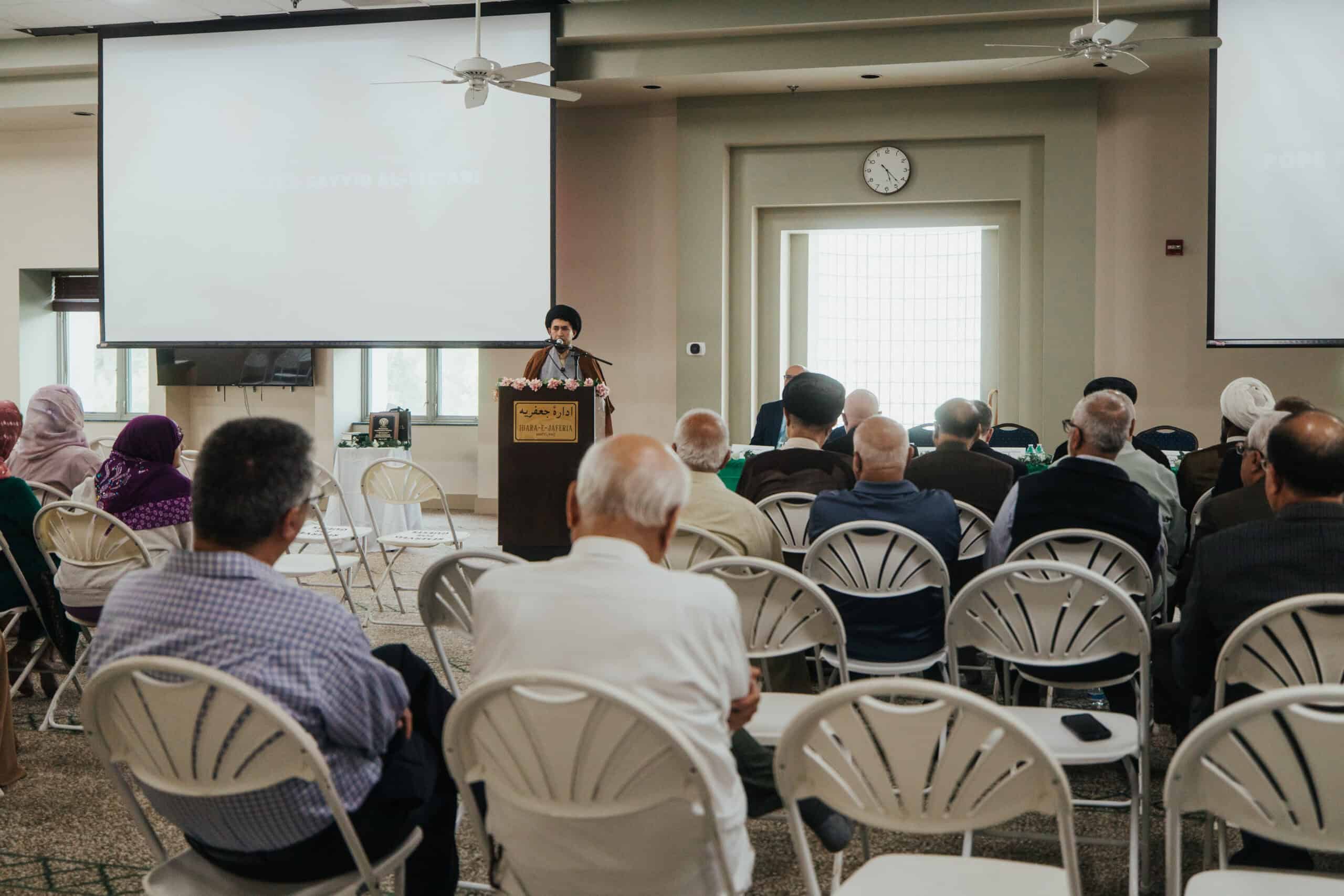
The official celebration was moderated by academic and author Dr. Hassan Abbas. The program commenced with a recitation of Surah Al-Imran (Verses 42–51) from the Holy Qur’an, delivered in a melodious voice by Sayed Hadi Hashemi, focusing on the Virgin Mary and Jesus Christ (peace be upon them). The selection was warmly received and praised by the attendees, particularly Cardinal McElroy.
Key addresses included:
- Shaykh Abdul Jalil Nawee (imam of Idara Jafaria): Welcomed the guests and provided an overview of the center’s history. He detailed the evolution of the Shia Muslim community's efforts in the region, growing from modest beginnings into the prominent institution it is today, which hosts regular interfaith dialogues and community activities.
- Bishop Elias Lorenzo: Characterized the Najaf encounter as a "profound act of moral witness" that transcends political gestures. He emphasized that the meeting established a "shared moral clarity," affirming that faith must never justify oppression and that the sanctity of human life transcends all borders and sects. He reaffirmed the USCCB’s commitment to dialogue as an essential moral vocation for healing global divisions. To view the detailed address, click here.
- Cardinal Robert McElroy: In his address, Cardinal McElroy praised the historic meeting between Pope Francis and Grand Ayatollah Sayyid Ali al-Sistani as a transformative moment for Muslim–Catholic relations and global interfaith dialogue. He emphasized that the summit demonstrated how faith can serve as a source of unity, human dignity, and peace rather than conflict, while calling for stronger joint religious efforts to combat injustice and protect human dignity amid growing global tensions and warfare. Significantly, the Cardinal has frequently invoked the "just war" tradition to distinguish between legitimate and illegitimate conflicts, recently asserting that modern war often fails to meet the strict moral criteria—such as just cause and right intention—required for a war to be considered morally legitimate. He maintained that nations have a strict moral obligation to end conflicts as quickly as possible, especially when the decision to enter them was not grounded in a morally legitimate framework. To view the detailed address, click here.
- Sayyid M. B. Kashmiri: Representing the Shia Religious Authority and the Council of Shia Muslim Scholars, he framed the summit as a continuation of a 1,400-year tradition of Muslim-Christian dialogue dating back to the Prophet Muhammad, and Imam al-Rida (P), under the theme narrated to Sayyid al-Sistani, "You Are Part of Us, and We Are Part of You," he lauded the Najaf Seminary’s millennium-long legacy of moderate leadership and independent thought, asserting that such partnerships are vital for social justice. To view the detailed address, click here.
- Sayyid Ali Qazwini, member of the National Christian-Islamic Interfaith Council, concluded the event with a message of gratitude to the Cardinal, his delegation, and Idara Jafaria for their hospitality. He provided a brief report on the activities of the Greater Washington Area Chapter of the Council of Shia Muslim Scholars of North America, noting that this gathering is the result of sustained efforts, following previous engagements such as the visit to the Cardinal upon his installation.
The Greater Washington Area Chapter of the Council of Scholars expressed its ambition to expand its services and activities within the Greater Washington area. The Council aims to foster community cohesion, increase public engagement, and strengthen the presence and standing of Shia Muslims throughout the region.